
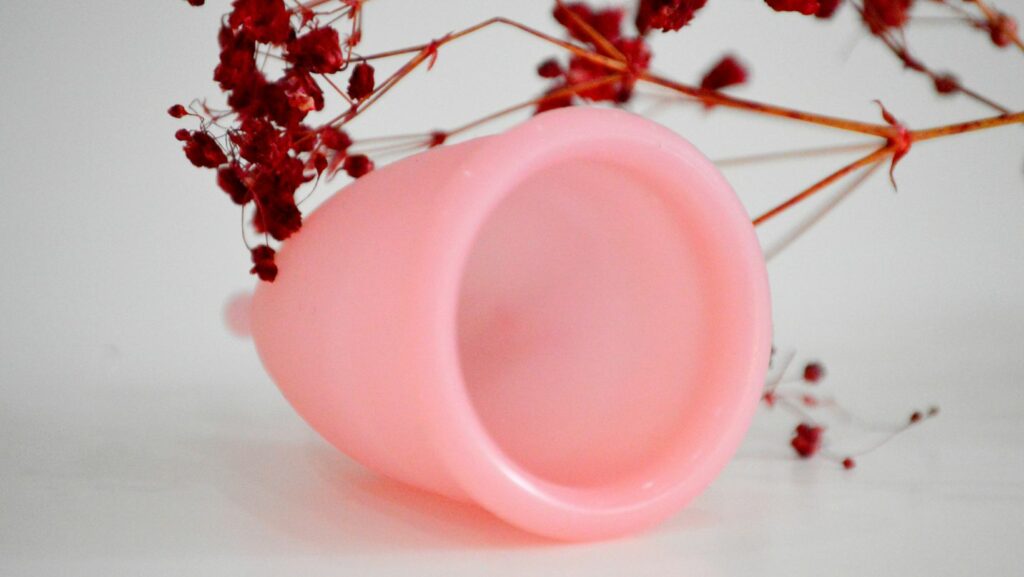
Life changes quickly once a baby arrives. Between breastfeeding, healing, and adjusting to new rhythms, many mothers become more aware of their health choices. This shift often includes thinking about future period care, even though menstruation may not return for months. Among the many reusable options available, the menstrual cup is one that some new moms eventually explore once their bodies have fully healed and they are cleared to do so by a healthcare provider.
This article focuses on understanding the cup as a future option. It does not recommend its use during the postpartum period. Only pads should be used during postpartum bleeding because the body is still healing and internal products are not considered safe at that stage.
The Postpartum Period Comes First
Before looking ahead to future menstrual options, it is important to understand the needs of the immediate postpartum period. After birth, the uterus sheds tissue through bleeding called lochia. This bleeding can last several weeks and must be managed with pads only.
Internal products such as tampons or menstrual cups should never be used during this time. The cervix is still soft and slightly open, the uterus is healing, and the vaginal tissues may need time to recover from stretching or stitches. Introducing any internal device too early can increase the risk of infection and interfere with the body’s natural healing.
Every person’s healing timeline is unique. Even when bleeding stops, internal products should not be used until a healthcare provider confirms it is safe. Many providers recommend waiting until the six week checkup, but some may suggest waiting longer depending on birth experience and recovery.
Looking Ahead to Future Cycles
When the body has healed and a healthcare provider gives approval, some mothers consider switching to a menstrual cup for their regular cycles. Breastfeeding often delays menstruation, so the return of a period may take months. This can offer time to explore options, learn about different cup styles, and decide what might feel right later.
For natural parenting families who value sustainability, minimalism, and mindful routines, the idea of using a reusable cup can feel aligned with those values. Although a cup should never be part of postpartum care, it can be something to consider after healing when cycles have normalized again.
What a Menstrual Cup Is
A menstrual cup is a small, flexible device made from medical-grade silicone or thermoplastic elastomer. It is inserted into the vagina during menstruation where it collects rather than absorbs fluid. When placed correctly, it forms a gentle seal and can provide protection for many hours.
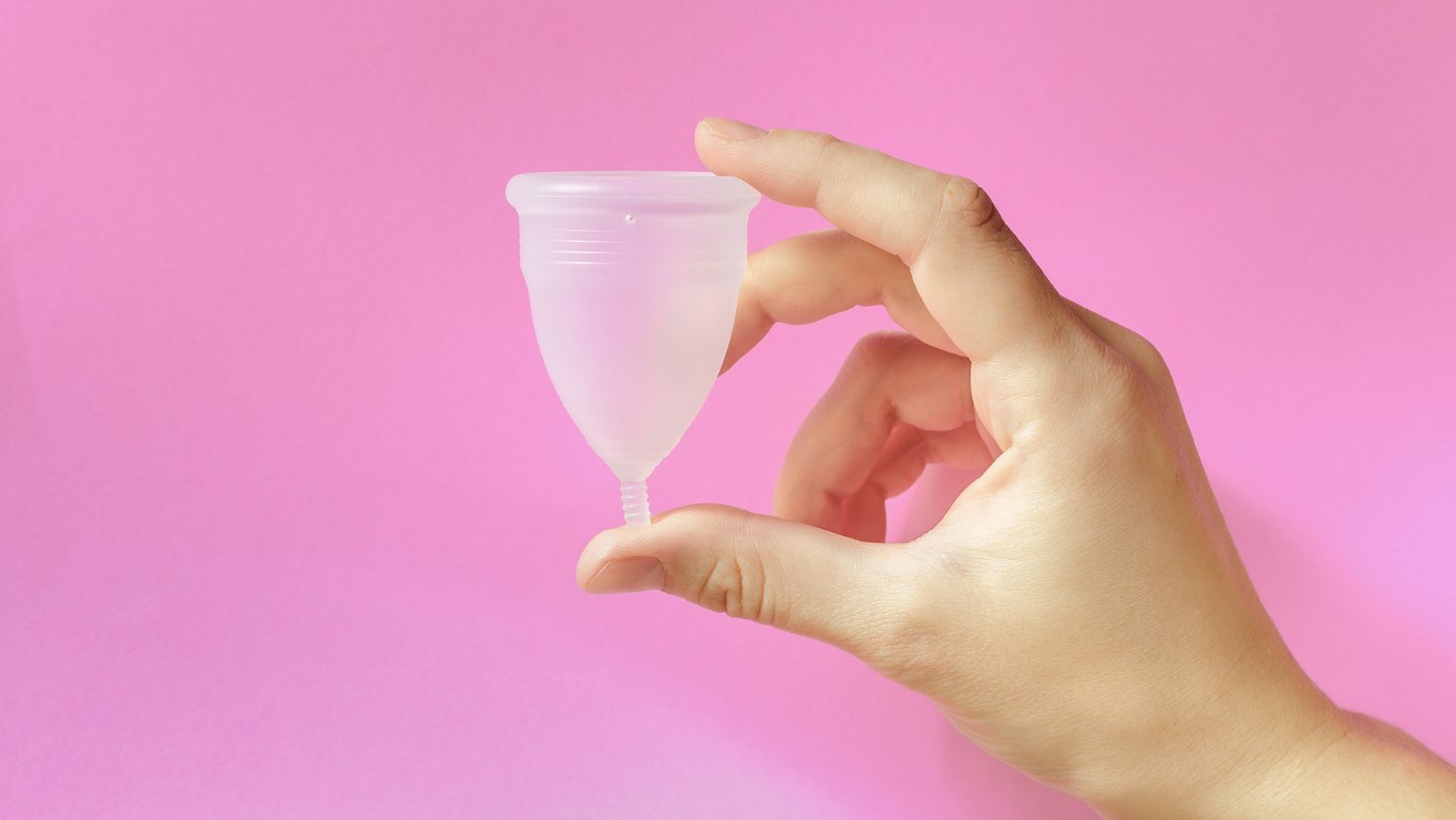
To use it, the cup is folded, inserted, and then allowed to open naturally. When it is time to empty it, the cup is removed, rinsed, and reinserted. Between cycles, it can be sterilized by boiling and then stored for future use.
This process becomes simple with practice, but it should only be explored once internal products are medically approved.
Why Some Mothers Consider It Later
Once postpartum healing is complete, a menstrual cup may appeal for several reasons.
Comfort and a Natural Feel
Some people find that a cup feels gentler than tampons because it does not absorb moisture. It collects fluid and preserves the body’s natural balance.
Convenience for Busy Parents
With protection lasting many hours, the cup can offer freedom on days when schedules are full. This can be helpful for parents navigating feedings, naps, or errands.
Less Waste
Many families who choose cloth diapers and other reusable products also appreciate reducing waste in other areas. One cup can last years, which supports an eco-friendly lifestyle.
A Calmer Routine
Using a reusable item can bring a sense of ritual and mindfulness to a part of life that is often rushed. Caring for the cup encourages slowing down and paying attention to the body.
Safety Matters
Safety must always come first. Research shows menstrual cups are safe when used correctly, but this applies only when the vagina, cervix, and uterus are fully healed and when no postpartum recovery is taking place.
Proper hygiene is essential. Hands should be washed before insertion. The cup should be rinsed with mild soap and water during use and sterilized between cycles. Following these steps helps maintain safety and protects long-term health.
If discomfort, irritation, or uncertainty occurs at any time, it is important to reach out to a healthcare provider. Every person’s body recovers differently, especially after birth.
Honoring Your Body and Your Healing
Postpartum is a time of tremendous change. It asks mothers to rest, nourish, and protect their bodies. Allowing yourself to heal fully before returning to internal menstrual products is a meaningful act of self-care.
When the time is right, exploring new options can be empowering. A menstrual cup may offer comfort, sustainability, and ease in the future. For now, knowledge can be gathered slowly and thoughtfully, with no pressure to decide until the body is truly ready.
Your healing deserves patience. Your comfort deserves attention. And your choices can unfold at a pace that feels right for both you and your growing family.